 English
 Arabic

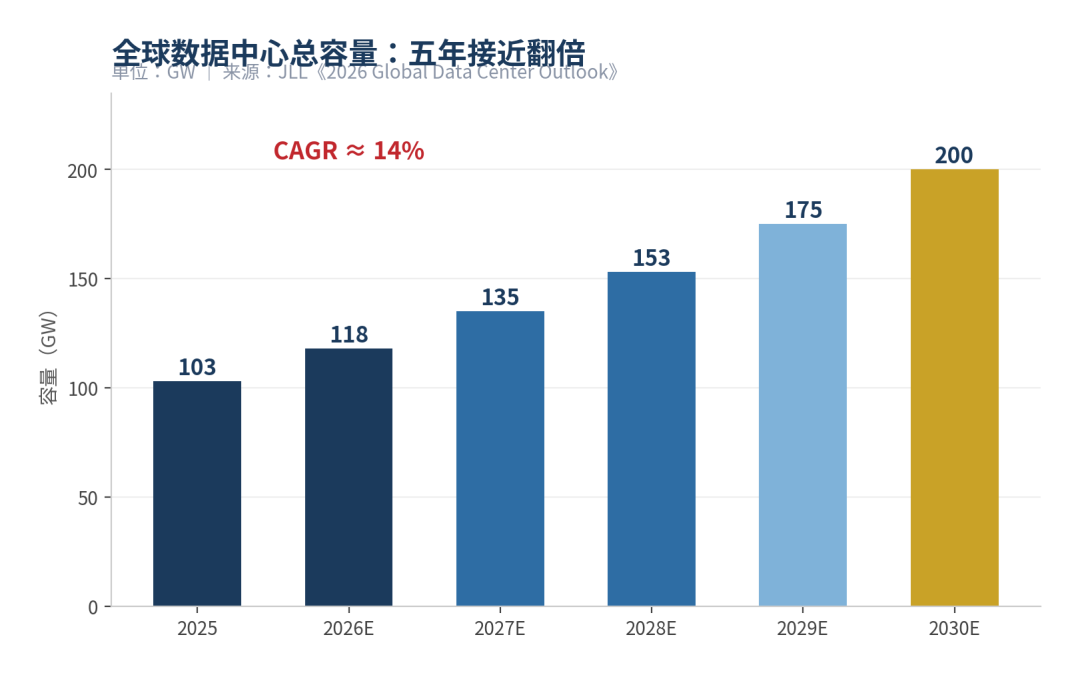
The total global data center capacity is set to surge from 103 GW in 2025 to 200 GW by 2030 — nearly doubling in five years, representing a CAGR of approximately 14% (JLL 2026 Global Data Center Outlook). This explosive growth is driven not by more land and concrete, but by an innovative construction approach: integrated solutions (prefabricated / modular / containerized).
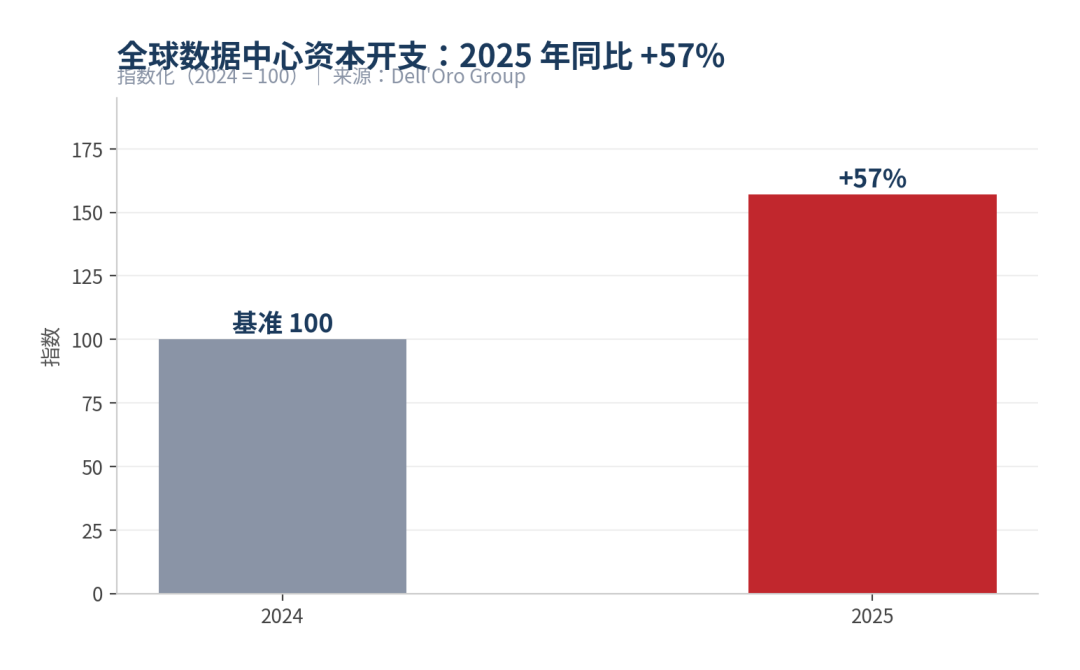
Global data center capital expenditure rose by 57% year-on-year in 2025 (Dell'Oro). For AI training clusters, delivery requirements have shifted from “provide a site” to “deliver within one quarter.”
The demand landscape is also undergoing fundamental changes:
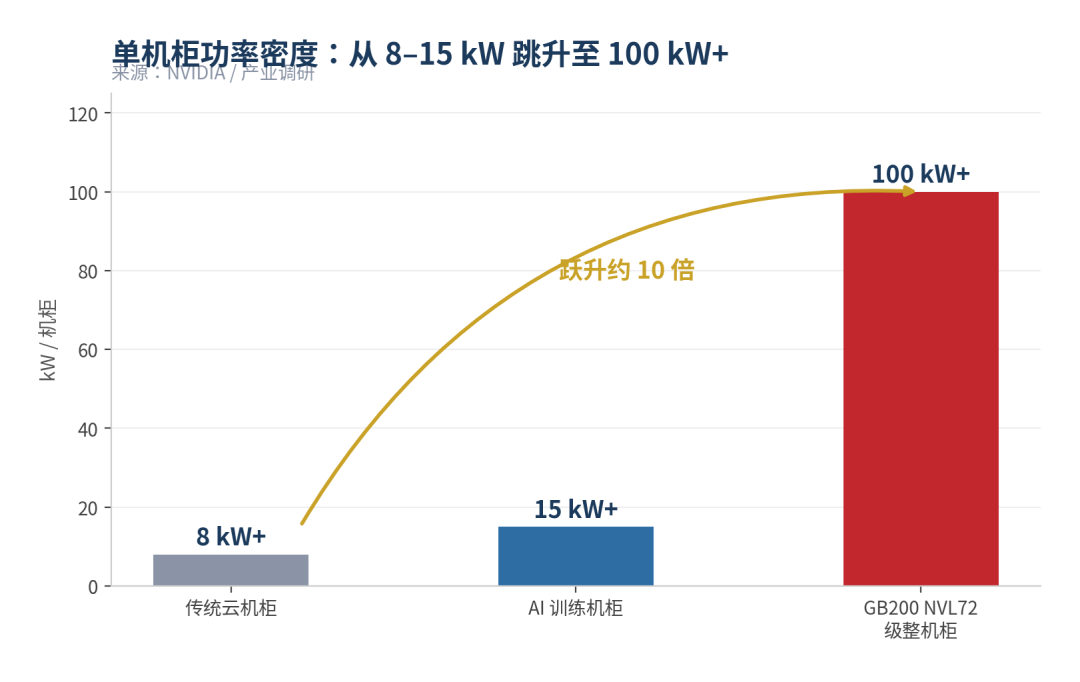
Rack power density has jumped from 8–15 kW for traditional cloud deployments to over 100 kW for AI workloads (NVIDIA GB200 NVL72-class rack-scale systems);
Liquid cooling has evolved from an optional add-on to a standard requirement. China’s liquid-cooled data center market reached RMB 15.98 billion in 2025, up 45.2% YoY, and is projected to exceed RMB 47 billion by 2028.
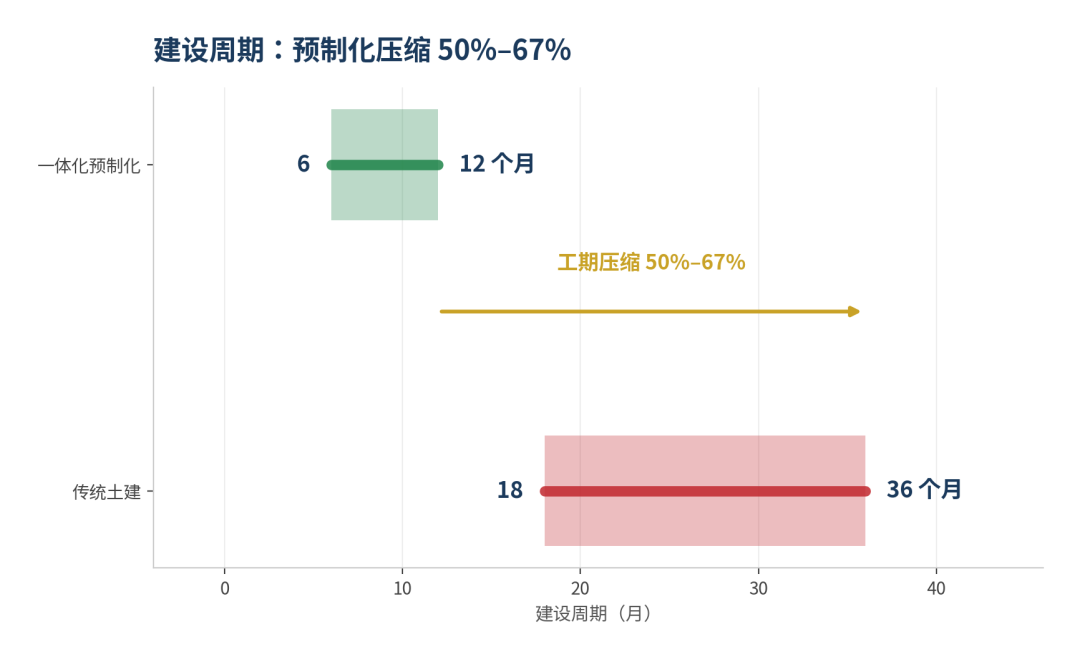
Traditional cast-in-place data centers take 18–36 months to build. In Europe and North America, an additional 12–18 months is often required for power connection approvals. By contrast, integrated prefabricated solutions — where infrastructure is fully assembled, wired and tested in a factory before shipment and on-site hoisting & commissioning — cut the project timeline to 6–12 months.
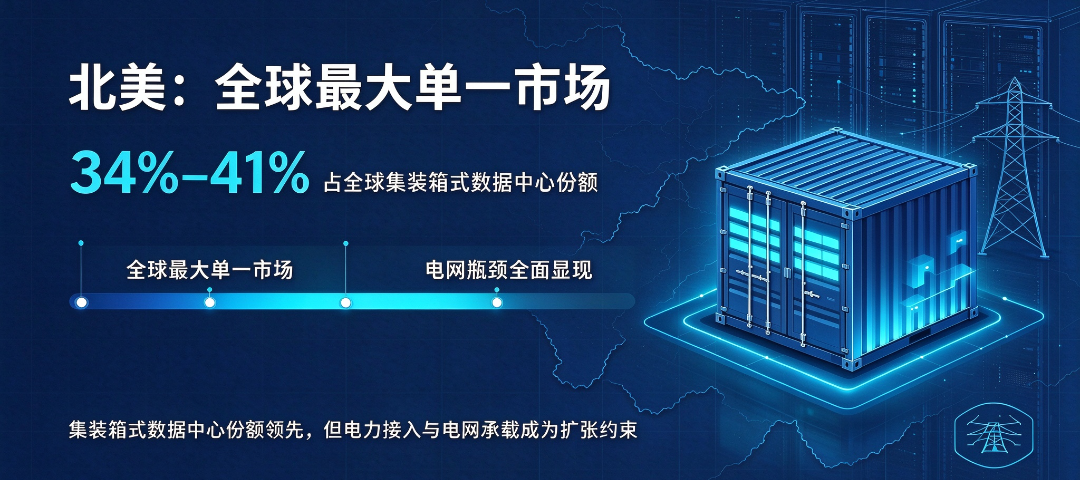
North America
The world’s largest single market (accounting for 34%–41% of global containerized data centers), yet facing widespread power grid constraints.
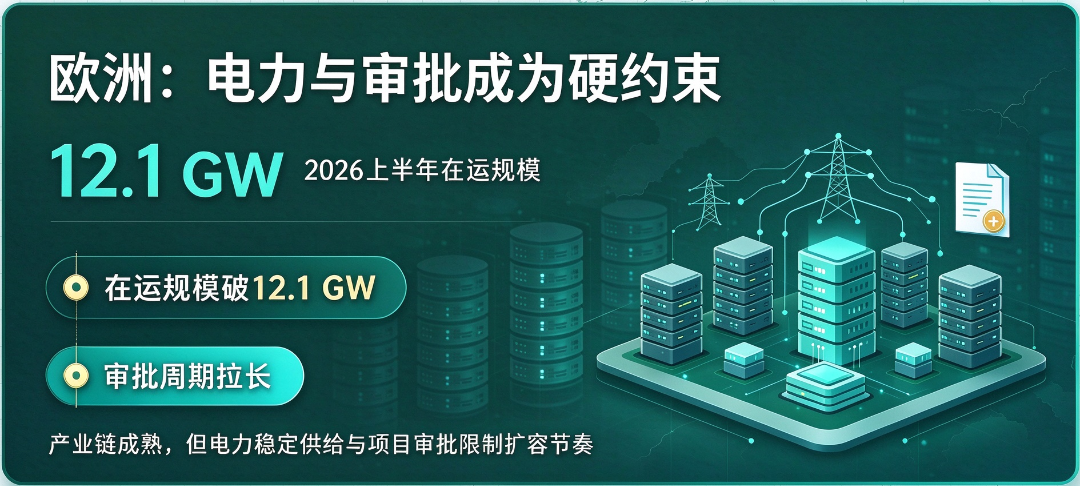
Operational capacity exceeded 12.1 GW in H1 2026, with power supply and permitting becoming critical bottlenecks.
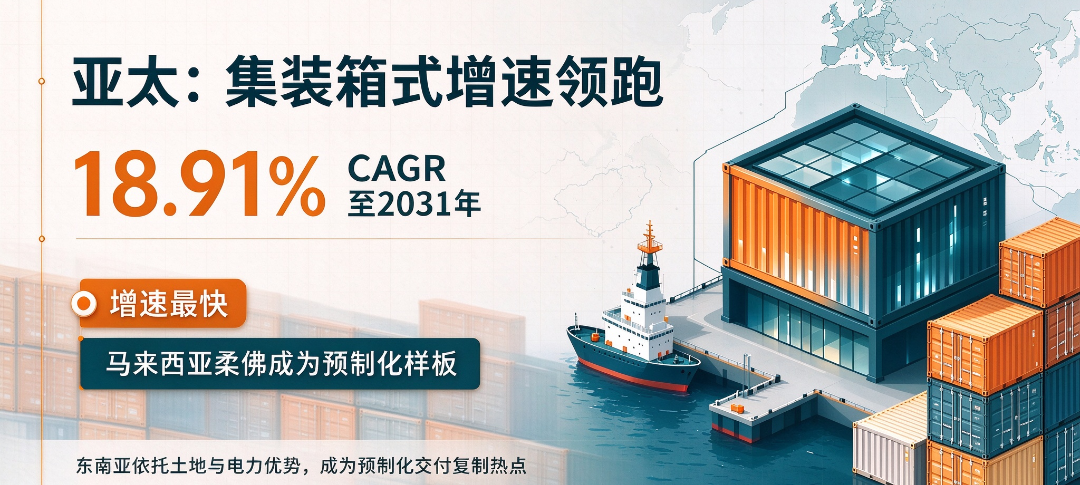
The fastest-growing region (containerized data center CAGR of 18.91% through 2031). Johor, Malaysia, has emerged as a benchmark for prefabricated deployments.
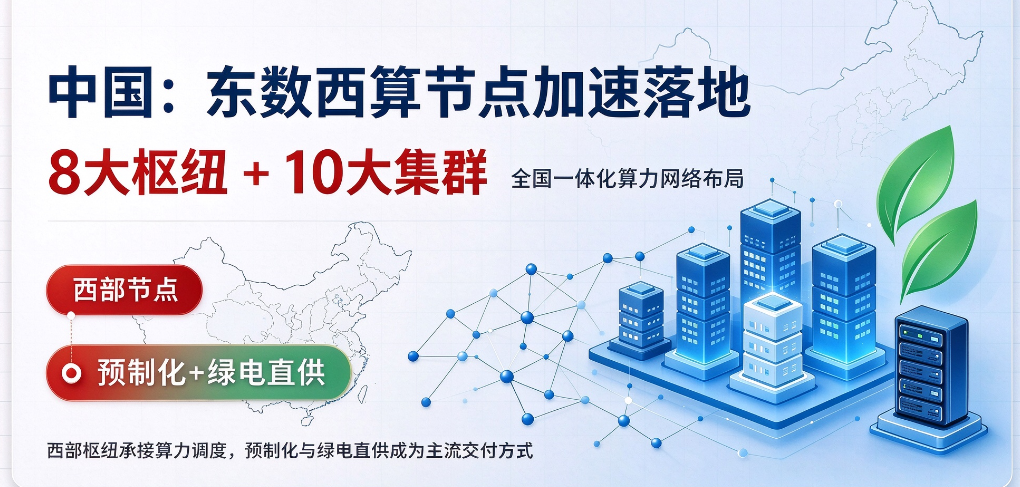
Featuring 8 national hubs and 10 major clusters under the East-to-West Computing Transfer initiative. Prefabricated units paired with direct renewable power supply are the dominant delivery model for western nodes.
Over the next 3–5 years, integrated delivery capability will itself be a core competitive advantage. Players capable of powering up MW-scale liquid-cooled clusters within 12 months will be positioned to secure AI projects. APCE will unpack the industrial cluster maps for North America, Europe, Asia-Pacific and China in detail.

Participate in APCE to Seize Opportunities in the Global Expansion of Modular Data Centers
From March 3–5, 2027, the first APCE Asia Modular Computing Pods, Prefabricated Substations and Associated Products Expo will be held at the Shenzhen World Exhibition & Convention Center (Bao’an).
The exhibition will bring together professional buyers of computing infrastructure from around the world, including IDC operators, cloud service providers, telecommunications carriers, mining and energy companies, international EPC contractors, and overseas infrastructure investment institutions.
By facilitating face-to-face matchmaking for overseas project needs, the event will efficiently shorten the product selection and negotiation process, helping Chinese manufacturers of prefabricated substations, modular computing pods, and related equipment expand into global markets.